

In this founder perspective, Casey reflects on how generational stigma, AAPI identity, and cannabis entrepreneurship intersect — and why Asian American founders are helping shape the next chapter of legal cannabis.
We didn’t wake up one day and decide marijuana was ‘evil’. Our parents, and parents-parents, inherited generational trauma from 18th & 19th century imperialism: when British traders flooded China with opium to force a trade imbalance. Recent figures suggest up to 10% of the entire population, or 40 million people, were addicted to opium. It eroded families, increased crime, and reduced the productivity of the workforce, effectively dismantling the country from the inside and resulting in a massive outflow of bullion. Meanwhile, cannabis itself was not a villain. In traditional Chinese medicine, dating back several millennia, cannabis was revered for having yin qualities; feminine, passive and calming. It was used as medicine to deal with pain— both physical and mental. That sentiment was lost during the Opium Wars.
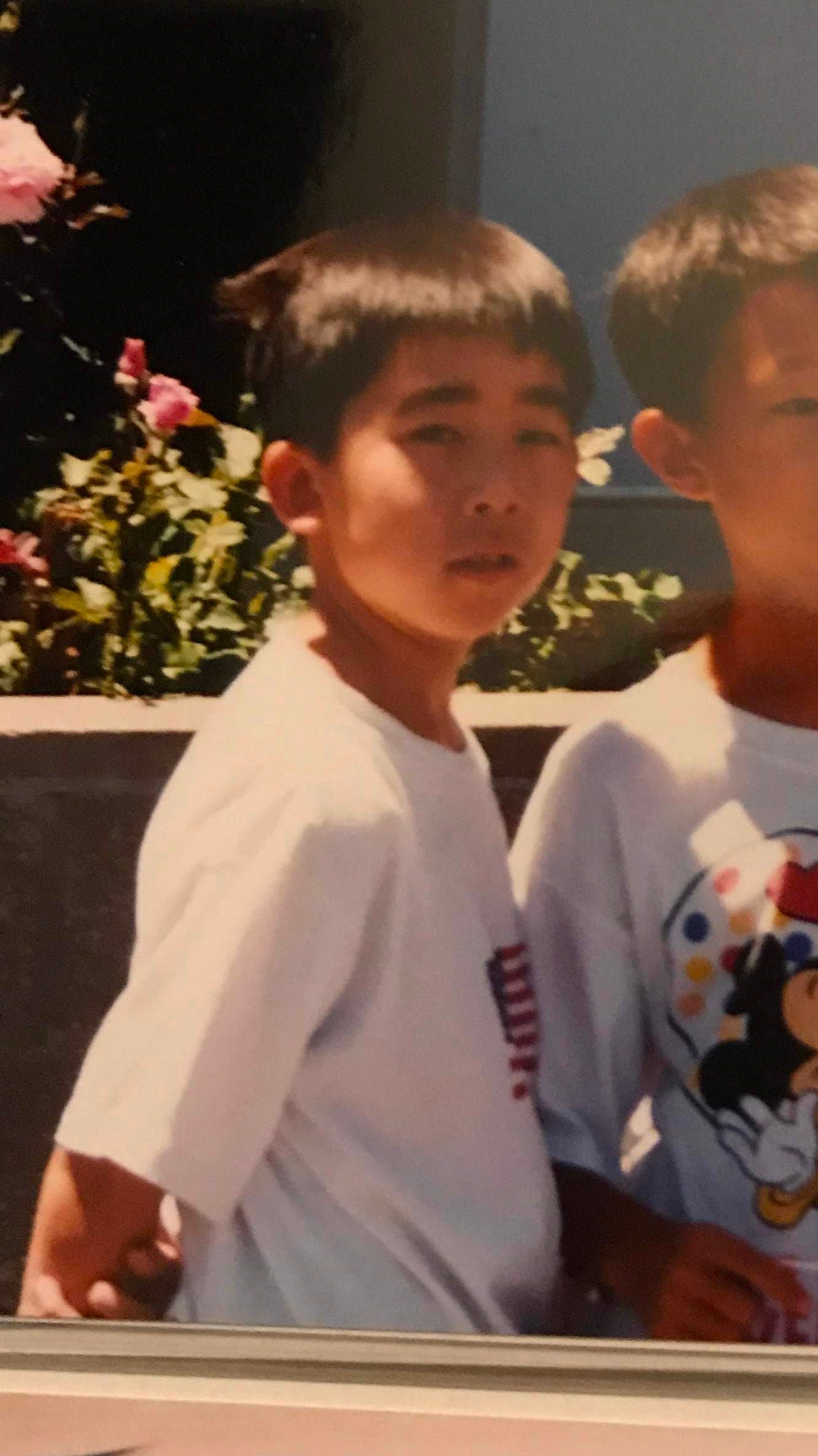
Our reverence for the plant didn’t exist when I was growing up in the 90s. I came from a predominantly Asian American community in the San Francisco bay area. The predominant ethnicities in my school were; Taiwanese, Chinese, Koreans, Indians and Filipinos. We were minorities collectively living as a majority; abis would never be respected career direction. Instead, our families strongly suggestemy graduating class was over 75% Asian. In school we learned, through the DARE program, that weed was a gateway drug that led to heroin abuse (aka opium). That stigma, coupled with the Asian American need to become a ‘model minority’, meant that cannd that we explore the joys of medicine, law and science.
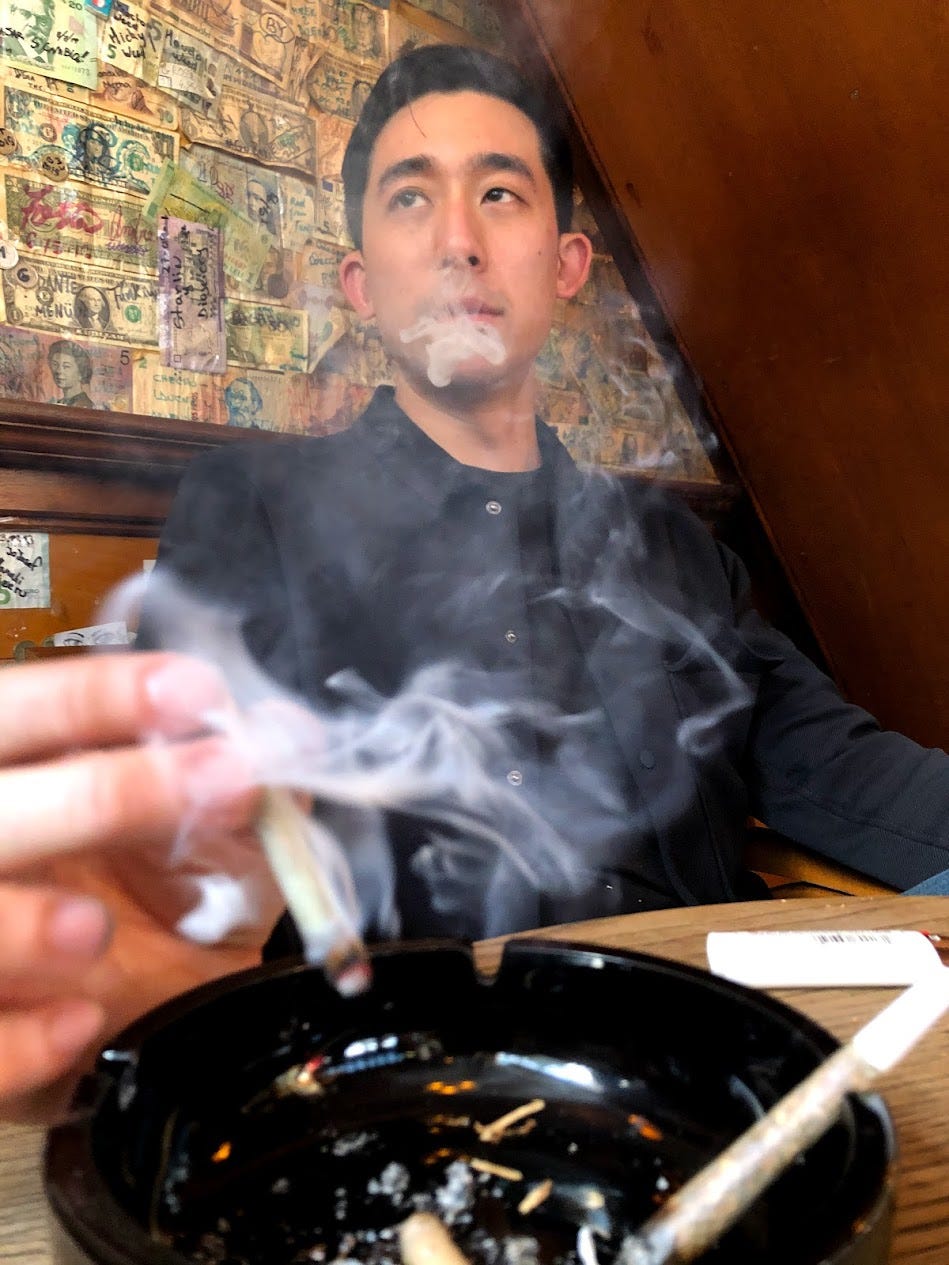
As you can probably tell, I had a difficult time meeting the expectations of being a model minority. I didn’t want to settle in the stereotypes of being Asian; I want to push the boundaries of what being Asian means. When we founded Bloom back in 2014, I was driven to redefine what being an Asian entrepreneur meant. Cannabis was the perfect vessel: it’s was the definition of counterculture, it was dangerous and it was new. For an Asian American kid in my mid-20s, it was intoxicating . I just underestimated how hard it would be.
Funny enough, some of the most successful founders in cannabis are AAPI founders. Even though we’re a small minority, I see our brands everywhere. Nabis, for example, delivers over 30% of all wholesale cannabis transactions in California and New York. They’re the biggest distributors of licensed cannabis in America. In our category (vaporizers), the biggest brand is Stiiizy. They’re the category leaders and now they’re also the largest cannabis retailer in California.
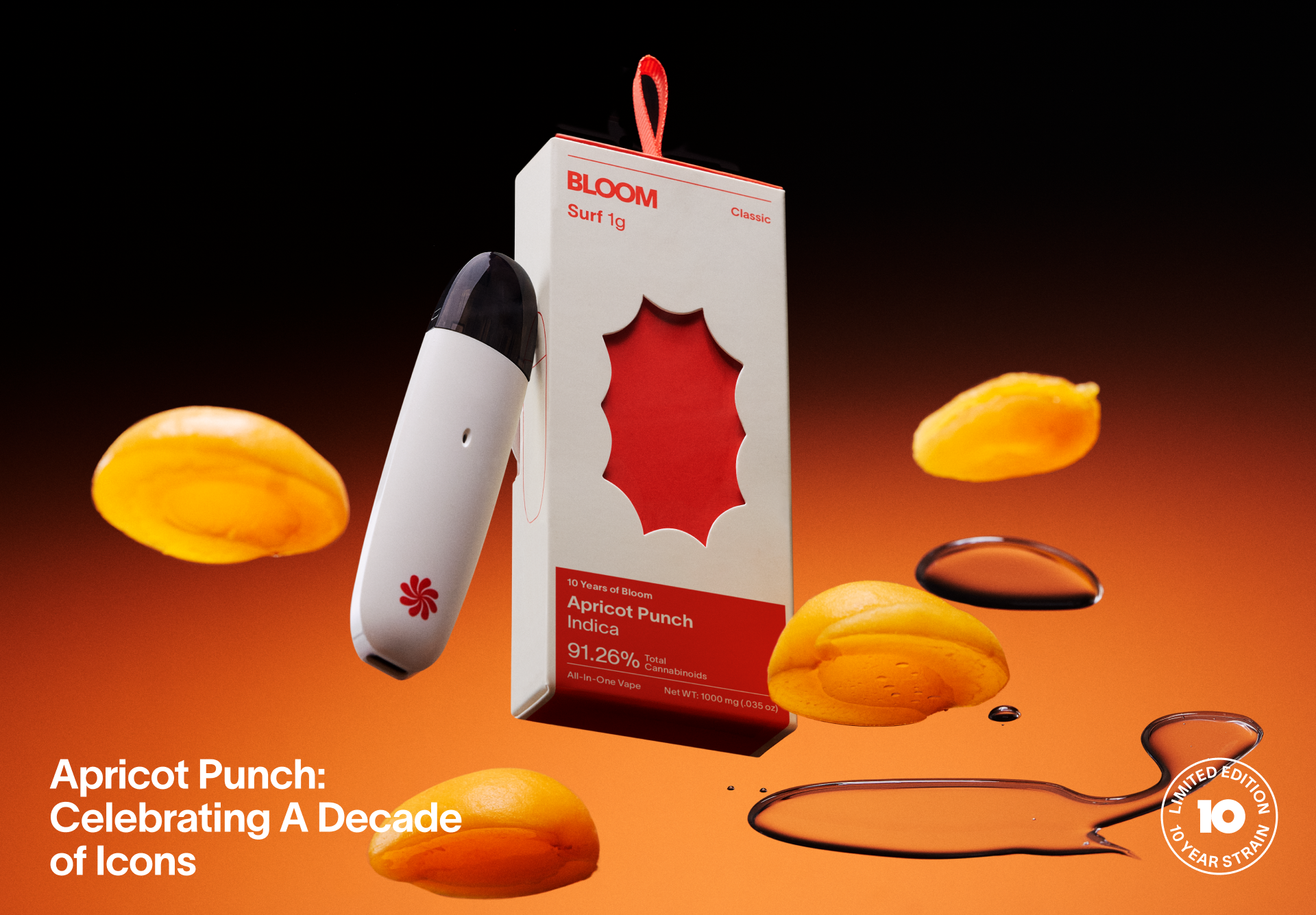
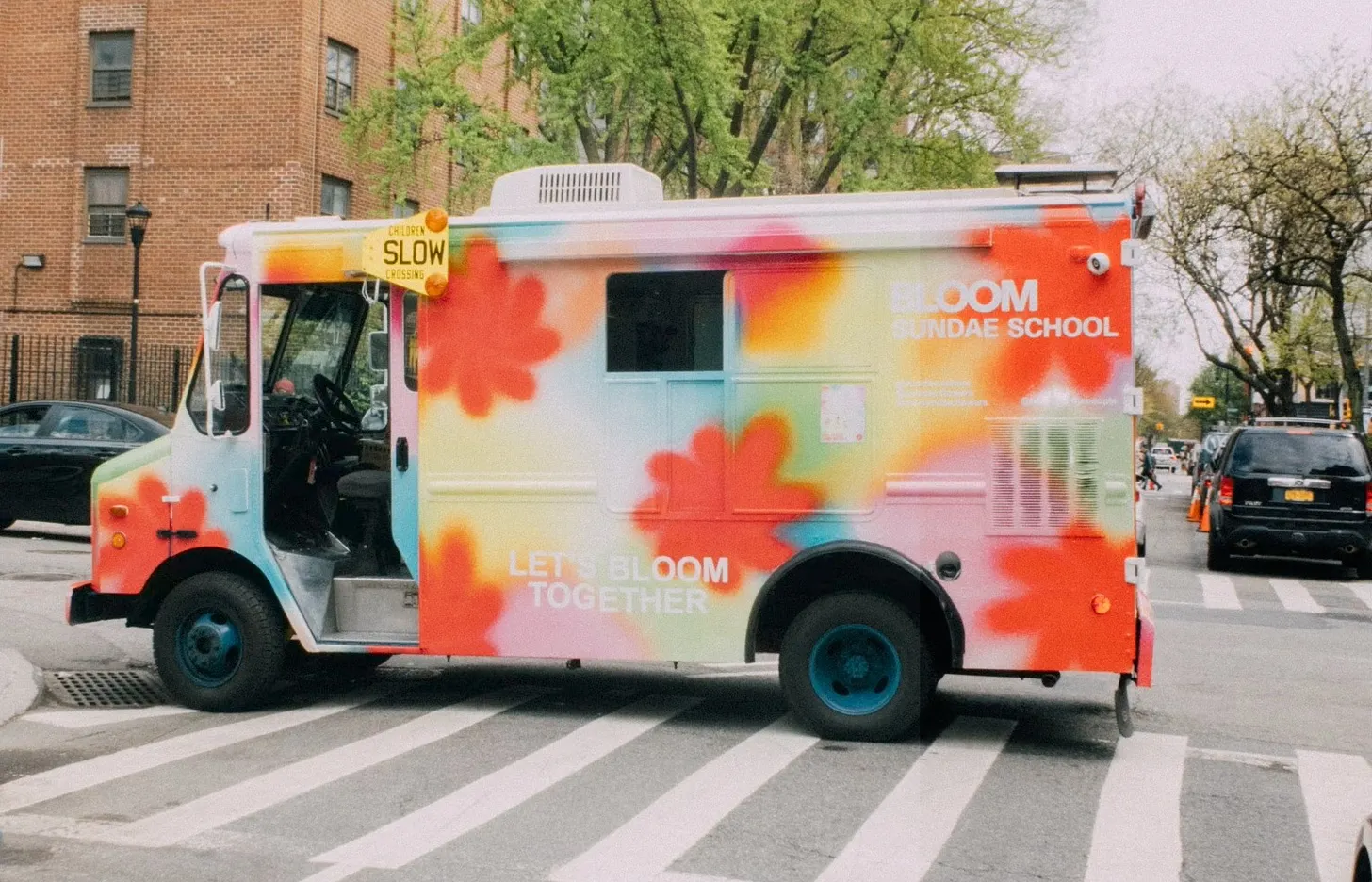
Not to toot my own horn, but Bloom’s also everywhere. We’re in 9 states and we’re launching in the UK next month. We’ve been a leading brand in the cannabis vapes for at least a decade. And it’s not just us; brands such as PlugPlay, Timeless, Pure Beauty and Sundae School have all been paving the way for Asian founders in cannabis. And we’ve all done it blue collar style; brick by brick, deliberate, and with a hyper focus on what our customers want. Some would call it the right way.
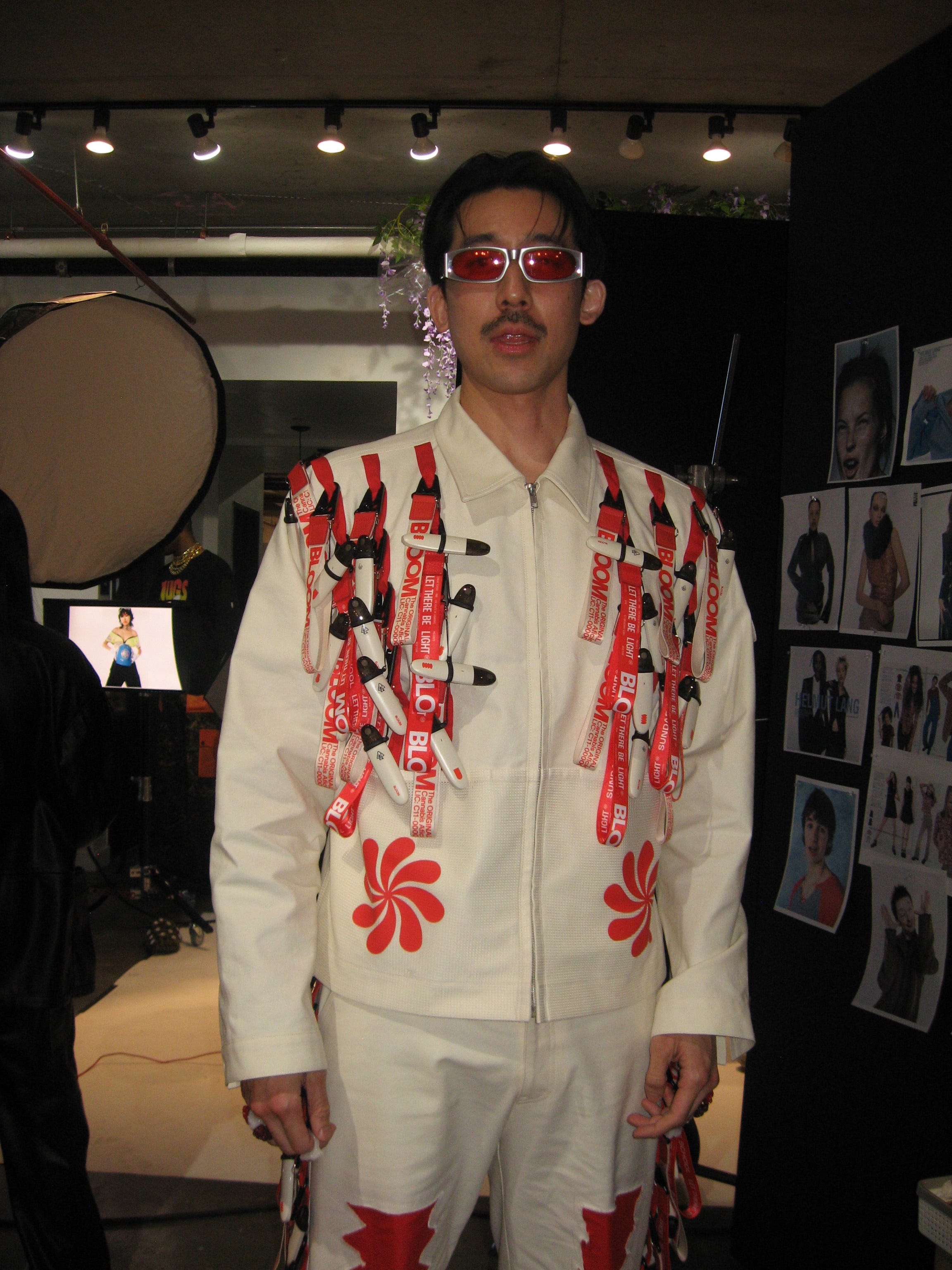
Part of working blue collar is keeping your head down. As a result, AAPI cannabis founders are rarely recognized for what we do. I have yet to see any mainstream AAPI media or investment groups publicly support AAPI cannabis founders. Social equity programs center around Black and Latino communities, who have borne the heaviest cost of cannabis criminalization. Our peers, such as the communities we grew up in, may recognize our work but it’s hard for them to respect it because they still don’t understand why we do what we do. The generational stigma still exists– it may have just been buried a little deeper.
Even with these headwinds, the general shift is happening. While only 5.5% of all AAPI adults use cannabis, over 12% of GenZ AAPI adults (18+, of course) are using cannabis regularly. This growth in popularity is largely attributed to two factors; Gen Z is the first cohort to reach adulthood in an era where cannabis is widely accepted and secondly, they see cannabis as safer than alcohol. The recent de-scheduling news, while largely symbolic, will inevitably drive more acceptance towards cannabis. I deeply believe that the younger generation (for context; I’m a millennial) will find cannabis part of their mainstream zeitgeist. While the question still remains: can Asian America reconcile its history with cannabis? Can we re-stigmitize this plant, and reclaim what we once had? I remain hopeful.
To quote the hip hop artists Kidz in the Hall: “they can’t deny the win if you keep scoring.”
Cannabis is evolving quickly, and education is evolving with it. At Bloom, we believe the future of cannabis is built on trust, transparency, and products people can understand. Explore Bloom, read more from Casey, or find us near you.